Weaving Stronger Local Ties Across the UK
Let’s dive into building regional networks that connect UK Repair Cafés, libraries, and makerspaces, turning scattered efforts into a united force for skills, sharing, and circular action. Together we can link calendars, volunteers, tools, and stories across towns, counties, and nations, creating pathways that welcome first-time fixers, curious readers, seasoned makers, and civic partners who are ready to help communities thrive through repair, learning, and creativity.
A Shared Map for Real-World Connections
Before we can collaborate effectively, we need to see each other clearly. A shared map shows which Repair Cafés meet monthly, which libraries host tool libraries or soldering workshops, and which makerspaces offer induction nights. Capturing times, access needs, insurance notes, and specialisms lets nearby groups spot overlaps, avoid clashes, and co-host events. The result is fewer silos, better attendance, and easier invitations for neighbors to try something hands-on and hopeful.
Discover Your Neighbours
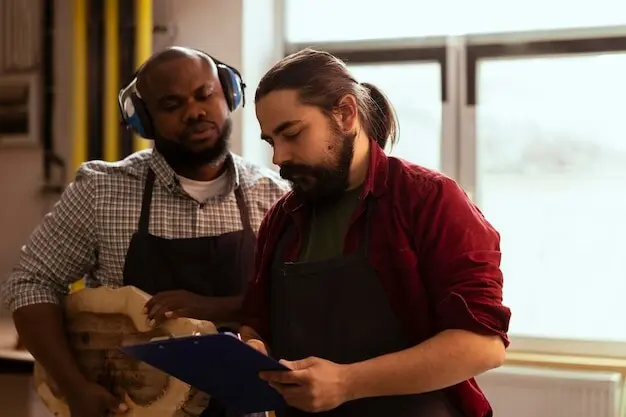
Start with a living directory that lists postcode areas, travel options, opening hours, and focus areas, from textiles to small electrics. Add volunteer skills and borrowing policies to help newcomers navigate. When a town’s library lists sewing machines and a nearby makerspace lists 3D printers, a Repair Café can co-design a fix-and-learn evening. Visibility is momentum; simple pins on a map become regular introductions, and introductions become shared habits.

Build a Common Directory
Agree lightweight data fields everyone can maintain: venue name, contact, accessibility notes, youth suitability, PAT testing availability, and upcoming dates. Use open formats so data can be embedded on any website and exported to councils or funders. Publish clear update instructions and a rota of stewards who ping groups quarterly. When information stays current, people trust it, and trust unlocks travel, lending, referrals, and spontaneous collaborations across nearby towns.
Remove Barriers to Participation
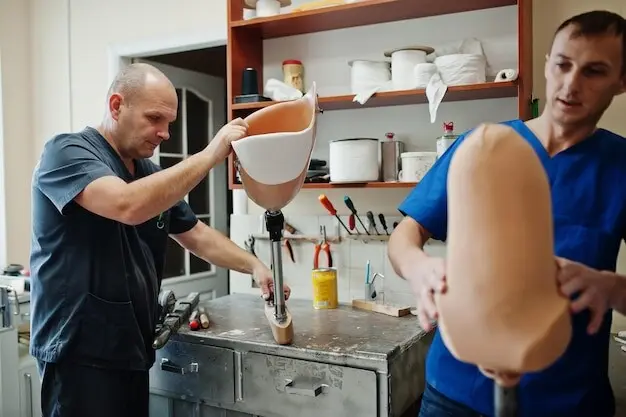
A map must show more than dots; it should surface cost-free options, step-free access, quiet areas for neurodivergent participants, and transport links for rural visitors. Add childcare notes, translation availability, and clear safety guidance. Highlight beginner-friendly sessions and confidence-building taster slots. When people can picture their first ten minutes in a space—who welcomes them, what to bring, how to succeed—they are far more likely to cross the threshold and return.
Collaborations That Actually Work
Sustainable collaboration blends rhythms, resources, and relationships. Libraries bring trusted community presence and learning pathways; makerspaces bring tools, fabrication knowledge, and hands-on mentors; Repair Cafés bring welcoming culture, triage skills, and stories that convert curiosity into action. When schedules and expectations align, Saturday fix events feed into weekday induction sessions, and successful repairs become showcases in reading corners. Cohesion comes from clarity: shared goals, simple agreements, and genuine care for volunteers’ energy.
Pick Platforms People Will Actually Use
Pilot before you standardise. If maintainers ignore a tool after two weeks, it is too complex. Prioritise accessible interfaces, mobile-friendly forms, and integrations with calendars that volunteers already check. Offer brief video walkthroughs hosted by the library. Keep emergency contact channels separate from discussions. When friction falls, updates happen on time, questions reach the right ears, and the network behaves like a helpful neighbour instead of a demanding dashboard.
Data Stewardship and Trust
Collect only what you need; explain why; delete on schedule. Publish data roles and a named steward in each county. Use consent-driven signups for newsletters and shared calendars. Anonymise impact reports where possible and protect minors’ details rigorously. Share template policies so small groups do not start from scratch. Trust builds when people see careful handling of emails, photos, and stories—a quiet reliability that makes collaboration feel safe and respectful.
Simple Communication Rituals
Create light routines: a monthly cross-network check-in, a weekly events digest, and a shared shout-out thread where teams thank collaborators. Rotate facilitators and keep notes public in a library-hosted folder. Encourage brief, friendly updates over polished perfection. Rituals reduce confusion, prevent duplication, and sustain morale during busy seasons. When everyone knows when to speak, where to read, and how to help, the network’s heartbeat stays steady and encouraging.
Digital Backbone Without the Bloat
Tools should connect people, not consume them. Choose a lightweight stack: a federated events calendar, a shared mailing list etiquette, and an open-source directory that syncs with group websites. Keep onboarding simple and privacy respectful. Embrace platforms people already use—email, community forums, and accessible chat—while maintaining offline options in libraries for those without smartphones. The goal is dependable coordination where information flows predictably, calmly, and with minimal admin overhead.
Funding, Governance, and Staying Power
Longevity requires grounded structures. Mix local council partnerships, National Lottery Community Fund bids, and small sponsorships from repair-aligned businesses. Keep governance transparent with a rotating steering circle and published decisions. Track value beyond money: skills gained, items saved, neighbours connected. Document processes so departures do not erase knowledge. Financial calm and clear leadership free volunteers to focus on people and projects, not firefighting, ensuring resilience through seasons and staff changes.
Coalition Bids and Clear Commitments
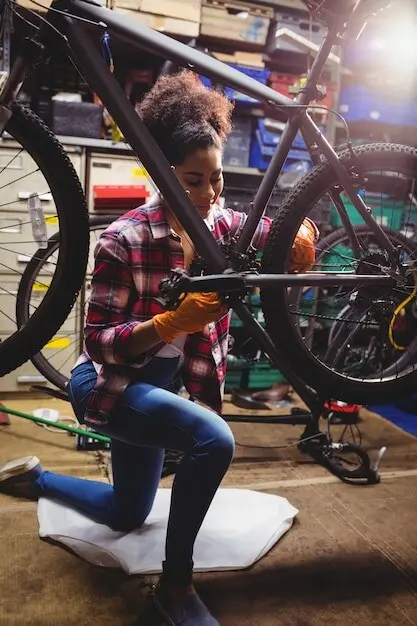
Form county-wide consortia where libraries act as anchor institutions, Repair Cafés as outreach engines, and makerspaces as training hubs. Submit joint proposals with matched in-kind support: rooms, tools, staff time, and communications. Define scope in plain language, add a shared calendar deliverable, and set review checkpoints. Funders appreciate unity and realism. Wins are shared, losses are instructive, and credibility grows for the next opportunity, strengthening future negotiations and partnerships.
Measuring Impact Beyond Tonnage
Track kilograms diverted from landfill, yes, but also measure learning outcomes, confidence, friendships, and local pride. Use quick, dignified surveys at exits, plus story postcards gathered in library foyers. Publish quarterly snapshots with photos and quotes, inviting public feedback. When numbers meet narratives, councillors, headteachers, and sponsors understand why this work matters. A repaired toaster becomes a lesson in circuitry, a family memory, and a proof point for community capability.
Learning Loops and Travelling Skills
Knowledge must circulate like a library book that keeps teaching new readers. Build peer cohorts of fixers, librarians, and makers who swap short lessons and visit each other’s spaces. Create travelling toolkits—textile mending kits, bike stands, PAT testers—with laminated guides. Develop micro-courses hosted by libraries and mentored by makerspaces. Each loop turns rare expertise into shared community assets, strengthening confidence and reducing dependence on a handful of over-stretched experts.
Peer Cohorts and Mentoring Pathways
Group volunteers by interests—electronics novices, sewing improvers, bike mechanics—and run six-week cohorts with tiny weekly challenges. Pair each group with an experienced mentor and a reflective journal prompt. Celebrate progress in open sessions at libraries. Mentoring stabilises skill transfer, eases imposter feelings, and unlocks leadership in unexpected people. Over time, graduates coach new cohorts, building a gentle staircase from curiosity to capability to community stewardship.
Pop-Ups and Roving Toolkits
Pack modular kits that fit in a hatchback: mats, magnifiers, safe power strips, common spares, and cheerful signage. Bring them to village halls, estates, and coastal towns with limited facilities. Combine pop-ups with a library-led sign-up table for future sessions. People meet repair where they live, then follow breadcrumbs to makerspace inductions or borrowing schemes. Mobility dissolves distance, revealing energy in places often overlooked by static calendars and central venues.
Stories That Move People to Join
Narratives bring the network to life. Share the kettle that poured tea in Sheffield, then brewed again in Rotherham after a tiny fix, and the grandparent who learned to rewire a lamp beside a curious teenager. Libraries display repaired items with short captions; makerspaces stream timelapses; Repair Cafés collect thank-you notes. Invitations tucked inside stories transform bystanders into helpers, donors, learners, and friends who keep showing up with sleeves rolled.

All Rights Reserved.