
Fixing to Save: Real-World Impact Across the UK
Today we focus on measuring e-waste reduction achieved through community repair events across the UK. Together we will unpack how saved devices translate into avoided disposal, embodied-carbon benefits, and stronger communities. You will find methods, field stories, and practical tools for capturing reliable numbers without losing the joy and spontaneity that make repair gatherings special. Join us in counting what truly counts, so organizers, volunteers, councils, and funders can see progress clearly, learn faster, and confidently support hands-on change.


Why Repair Cafés Matter More Than You Think
A simple mended toaster or laptop charger may appear small, yet these wins ripple through material supply chains, family budgets, and local confidence. When devices are restored, new purchases are delayed, scarce materials remain in service, and hazardous waste streams shrink. These grassroots rooms full of patient tinkerers and curious neighbors become living classrooms where practical skills circulate, loneliness eases, and the culture of throwing away meets a hopeful counterexample that anyone can touch, understand, and proudly share.
Building a Reliable Measurement Framework
Counting saved devices sounds straightforward, yet reliable measurement needs shared definitions, simple tools, and respectful collaboration. A practical framework captures item type, brand, age, failure mode, actions taken, outcome, weight, spare parts, volunteer time, and confidence levels. Standard categories allow comparison across towns, while lightweight forms keep events welcoming. With agreed conventions for estimating weights and embodied impacts, the resulting dataset becomes meaningful evidence that empowers organizers, informs councils, and helps funders recognize, replicate, and responsibly scale the success they already support.
The kettle that kept the morning routine
A family nearly replaced their kettle after it failed mid-breakfast. At the event, volunteers methodically checked continuity, discovered a failing thermal fuse, and fitted a safe replacement. The household saved money, avoided yet another appliance purchase, and learned basic descaling and cable inspection. Later, they reported descaling regularly, sharing tips with neighbors, and volunteering at check-in. Behind that modest glow of satisfaction sits avoided packaging, transport impacts, and a meaningful shift from disposable habits toward calm, capable everyday care.
A laptop rescued for homework and hope
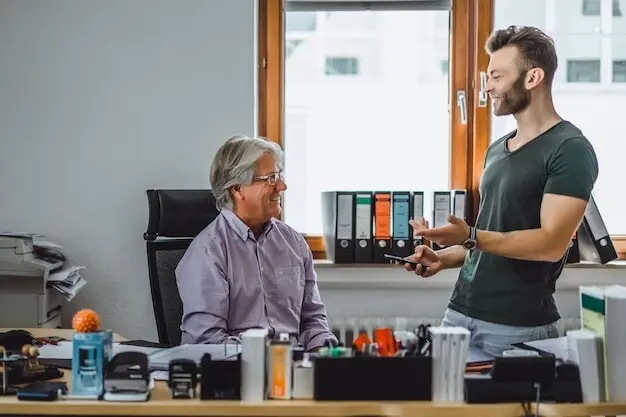
A secondary school student arrived with a glitchy, overheating laptop that crashed during assignments. Volunteers opened the case, cleared dense dust, replaced a worn thermal pad, and coached on software cleanup. Performance stabilized, banishing the panic of sudden crashes. The student’s relief became motivation to attend a coding club, while the family delayed an expensive purchase. For measurement, the fix logged extended lifespan, avoided embodied emissions, and valuable digital inclusion, demonstrating how careful maintenance can transform both data and daily life.
From Workshops to National Insights
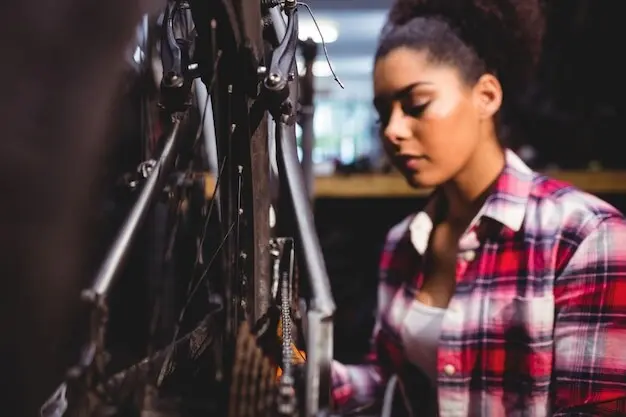
One town’s spreadsheet becomes far more powerful when many groups adopt the same categories and share de-identified results. Aggregated weekly or monthly, the data reveals patterns: common faults, spare-part bottlenecks, seasonality, and regional strengths. A simple national dashboard can celebrate saved kilograms, estimated embodied emissions avoided, hours volunteered, and skills shared. By pairing quantitative charts with short narratives, we create a living picture that inspires newcomers, reassures supporters, and guides practical improvements without losing the warmth that makes these gatherings thrive.
Catalysing Policy and Funding
Clear measurements travel well, helping councils, universities, makerspaces, and charities coordinate resources and shape practical programs. Evidence of avoided disposal costs, extended product lifetimes, and community engagement supports training budgets, spare-part libraries, and accessible venues. It also informs right-to-repair advocacy, producer responsibilities, and curriculum development in schools. When numbers are paired with relatable stories, decision-makers can picture exactly who benefits, how funds multiply impact, and why modest, stable support sustains long-term savings in materials, emissions, and household stress across diverse neighborhoods.
Get Involved and Help Us Measure Better
Numbers become powerful when many hands contribute with kindness and care. Whether you host events, repair lovingly, greet visitors, or enjoy spreadsheets, there is a helpful role for you. Start small, collect only what matters, and celebrate honest learning. Share your stories, photos, and lessons with neighboring groups, so everyone improves faster. Subscribe for updates, volunteer at a data calibration day, or test a template during your next gathering. Together, we can count more clearly and inspire many more joyful saves.
All Rights Reserved.