
Fixing Together: Launching a Repair Café in the UK
Ready to gather neighbours, save money, and keep cherished items in use for longer? This guide explores how to start a community Repair Café in the UK, from practical setup and safety to volunteer care, funding, and communication, grounded in stories, proven checklists, and joyful moments when a lamp clicks back on and a room cheers together.
Why It Matters: Everyday Repairs, Extraordinary Community Impact
When a well-loved toaster pops again or a winter coat gets a sturdy new seam, something bigger than a fix happens: trust grows, skills circulate, and waste shrinks. Repair Cafés build neighbourliness, tackle cost-of-living pressures, and help communities feel capable, climate-wise, and proud of practical problem-solving that welcomes everyone.
A Small Repair with Big Ripples
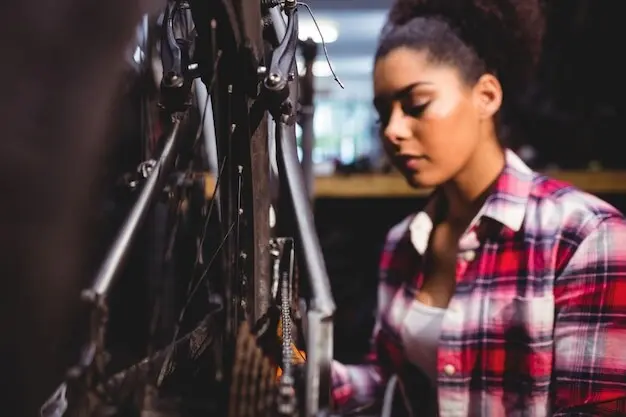
At a Saturday session in a church hall, a retiree and a teenager re-soldered a loose kettle lead, sharing stories between solder puffs. The owner saved the cost of replacement, learned to spot strain relief wear, and left smiling, promising to return with biscuits and a friend.

Waste Reduction You Can See and Celebrate
Repair tracking sheets turn feel-good moments into measurable change. By noting each item, estimated weight, and outcome, many UK groups report diverting dozens of kilograms per event while boosting fix rates over time. Sharing these wins attracts venues, funders, and local press who love tangible, optimistic environmental stories.
Getting Set Up Right: Structure, Insurance, and Safety Foundations
A little preparation protects people, tools, and goodwill. Choose a simple organizational structure, secure appropriate insurance, and write practical policies that fit your scale. These basics reduce anxiety, impress partners, and free your group to focus on the human magic of careful diagnostics and shared learning.
Spaces That Work: Finding and Designing the Right Venue
The best rooms feel friendly, well-lit, and thoughtfully zoned. Look for plentiful sockets, tables that don’t wobble, good accessibility, and flexible storage. With clear wayfinding, tidy cable runs, and a welcoming tea station, your space becomes a calm, productive workshop where questions and curiosity lead every interaction.
People Power: Recruiting, Training, and Caring for Volunteers
{{SECTION_SUBTITLE}}

Finding Hearts and Hands
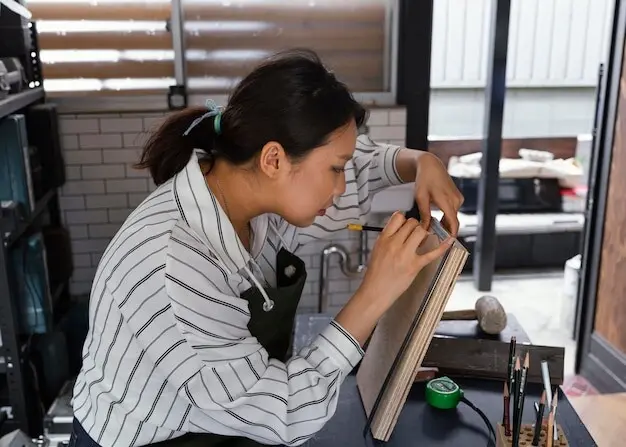
Start with local Facebook groups, maker spaces, Men’s Sheds, sewing circles, and cycling clubs. Post on community noticeboards and ask the library staff. Emphasize that all roles matter, from greeting and data entry to photography, not just advanced soldering or specialist stitching. Curiosity and patience count highly.

Onboarding, Buddies, and Gentle Learning Curves
Invite newcomers to shadow a session, pair them with a buddy, and share a simple handbook covering safety, intake forms, and tone. Celebrate small repairs. Rotate roles occasionally so hosts try triage, and fixers try welcome desks, deepening empathy and strengthening the whole system with cross-understanding.
Tools, Parts, and a Smooth Repair Journey
Welcome with a smile, capture contact details lightly, and ask for the item’s story and symptoms. Explain no guarantees, learning together, and safety first. Mark items with numbered tags, assess complexity at triage, and direct them to the right bench so queues stay fair and transparent.
Equip tables with screwdrivers, precision bits, pliers, multimeters, sewing kits, spare buttons, contact cleaners, glues, and ESD straps. Keep iFixit or manufacturer guides handy. Use trays for small parts, take photos during disassembly, and label reassembly steps. Encourage the owner to participate thoughtfully and ask questions.
Partner with local repair-friendly shops, reuse spares from donor devices, and maintain a modest stock of common consumables. Teach owners to find model numbers, order responsibly, and consider repairability when buying. Celebrate manufacturers who share documentation, and politely challenge needless glue and proprietary fasteners through stories and data.
Funding, Outreach, and Partnerships That Last

Grants, Buckets, and Budget Basics
Apply for microgrants from parish councils, the National Lottery Community Fund, or neighbourhood budgets. Keep a transparent donations tin, publish simple accounts, and thank supporters publicly. Prioritize insurance, consumables, and venue costs. Borrow or share expensive tools through libraries of things or friendly makerspaces to stretch resources.

Allies Who Amplify Your Impact
Build relationships with libraries, housing associations, Men’s Sheds, and waste authorities keen on repair and reuse. Connect with The Restart Project and Repair Café International for training and logos. Local hardware stores often donate consumables, while universities and colleges offer volunteers, venues, and exciting skills-sharing opportunities.

Invite, Welcome, and Tell Better Stories
Use posters in shop windows, a simple mailing list, and friendly social posts with before-and-after photos and clear event details. Try Eventbrite for optional bookings while keeping space for walk-ins. Pitch human stories to local journalists, invite councillors, and ask visitors to subscribe so momentum continues kindly.
All Rights Reserved.